By Tangier Special Tours
While Tangier often steals the spotlight in Northern Morocco, just an hour down the road lies a city that feels like a secret kept time. Welcome to Tetouan.
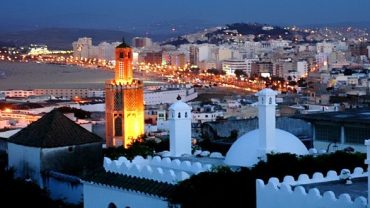
Known locally as “The White Dove,” Tetouan is a city of stark white walls, terracotta roofs, and a deep soul. It is quieter than Tangier and less overwhelming than Fes, yet it holds a UNESCO World Heritage Medina that rivals them both in beauty. If you are looking for authentic culture, Andalusian history, and a relaxed Mediterranean vibe, Tetouan should be at the top of your itinerary.
Here is your guide to exploring one of Morocco’s most underrated cities.
A City Born from Exile: The Andalusian Influence
To understand Tetouan, you must understand its history. While many Moroccan cities have Arab or Berber foundations, Tetouan was largely rebuilt in the 15th century by refugees fleeing the Reconquista in Spain.
These Andalusian Muslims and Jews brought with them their architecture, their music, their crafts, and their cuisine. This influence is visible everywhere you look. The narrow streets of the Medina feel reminiscent of Granada or Cordoba. The traditional music heard in the evenings is Andalusian classical, not just traditional Moroccan. Even the dialect spoken here leans heavily on Spanish loanwords.
This unique blend makes Tetouan feel distinct from the rest of the kingdom. It is a living monument to a shared history between North Africa and Southern Spain.
Walking the Medina: A UNESCO Gem
The heart of Tetouan is its Medina, designated as a UNESCO World Heritage site in 1997. Unlike the Medinas of Marrakech or Fes, which can be chaotic and intense, Tetouan’s old city is manageable and incredibly photogenic.
The Gates: Enter through one of the seven historic gates. Bab El Okla and Bab El Fahs are the most prominent, offering grand archways that frame the white-washed buildings beyond.
The Streets: Wander the narrow, winding lanes. Because the city was built by refugees, the layout is intricate and defensive. You will find artisans working in small workshops, carving wood, weaving carpets, and crafting jewelry.
The Square: Make your way to Place El Mechouar. This is the main square of the Medina, surrounded by historic buildings and cafes. It is the perfect place to sit, order a mint tea, and watch the local life unfold.
Key Sights Beyond the Medina
While the old city is the main attraction, modern Tetouan has plenty to offer.
The Royal Palace (Dar al-Makhzen): Located just outside the Medina, the Royal Palace is not open to the public, but the exterior is worth the visit. The golden gates and the vast ceremonial square in front provide a glimpse into the grandeur of the Moroccan monarchy.
The Ethnographic Museum: Housed in a beautiful traditional mansion within the Medina, this museum offers insight into the daily life, costumes, and traditions of the Tetouan region. It is an excellent stop for understanding the local culture deeper.
The Feddan: This is a large public park that separates the old city from the new. It is a popular spot for families in the evenings and offers a green respite from the white walls of the city.
Sun and Sea: Nearby Beaches
Tetouan is located just a few kilometers from the Mediterranean coast. If you want to combine culture with relaxation, the nearby beaches are ideal.
Saniya Rmel: Located about 10 kilometers from the city, this is a long stretch of sandy beach. It is popular with locals and offers a range of cafes and restaurants along the promenade.
Martil: A bit further north, Martil is a beach town that comes alive in the summer. It has a vibrant nightlife and a long sandy shore perfect for swimming.
Tamuda Bay: For a more upscale experience, the resorts around Tamuda Bay offer luxury hotels and pristine waters.
Practical Tips for Visiting Tetouan
Getting There: Tetouan is easily accessible from Tangier. You can take a grand taxi, a bus, or a train to nearby Martil and taxi in. The journey takes about one hour. There is also an airport, Sania Ramel, though flights are less frequent than in Tangier.
Language: While Arabic and Berber are the official languages, Spanish is widely spoken in Tetouan due to its history as a Spanish protectorate. Many signs are bilingual, and locals often switch between Arabic and Spanish effortlessly. French and English are also understood in tourist areas.
Best Time to Visit: Spring (March to May) and Autumn (September to November) offer the most pleasant weather. Summers can be hot, though the sea breeze helps. Winters are mild but can be rainy.
Currency: The Moroccan Dirham (MAD) is used. Cash is king in the Medina, though shops and hotels in the new city accept cards.
Dress Code: Tetouan is conservative. While it is used to visitors, modest dress is respectful, especially when visiting the Medina and religious sites.
Food and Drink
The cuisine in Tetouan is a highlight. Due to the Andalusian influence, you will find pastries and sweets that are distinct from other regions.
Seafood: Being close to the coast, the fish is incredibly fresh. Look for grilled sardines, calamari, and fish tagines.
Pastries: Try the local sweets often filled with almond paste and soaked in honey.
Tea: As elsewhere in Morocco, mint tea is served everywhere. In Tetouan, it is often accompanied by fresh bread and olive oil in the mornings.
Final Thoughts
Tetouan is not a city that shouts for attention. It whispers. It invites you to walk slowly, to notice the details in the tile work, to taste the history in the food, and to appreciate the blend of cultures that define it.
For travelers who have already seen the highlights of Marrakech and Fes, Tetouan offers a refreshing change of pace. It is authentic, welcoming, and undeniably beautiful.
Have you explored Northern Morocco? Is Tetouan on your list? Share your thoughts in the comments below.
Save this guide for your next trip to Morocco.
Tags: Morocco Travel, Tetouan, Travel Blog, Africa Travel, UNESCO Sites, Mediterranean, Cultural Travel
Comment (0)